Ordering packaging machinery from Iran: the project steps
Published 16 November 2026 · Updated 16 November 2026
Quick answer
Start with an application brief, confirm the technical configuration, compare a complete quotation and agree testing and handover. Payment, delivery, transport, customs, installation, training, warranty and parts are defined separately for each project.
A machinery order becomes easier to manage when the specification, acceptance method and supply responsibilities are written down before production starts. Use the sequence below to organize a Tolidex inquiry for a project delivered to Iraq or another agreed destination.
The final arrangement is project-specific. This guide does not set a standard payment schedule, delivery period, shipping term or warranty; those items belong in the quotation and contract.
Prepare an application brief
Describe the product, container, required process and acceptable output. Include samples or drawings, intended fill quantities, label requirements and the equipment already on the line. State the site location, available utilities and space.
Use the filler selection checklist or the labeling selection checklist to resolve the application questions first. For an integrated line, describe the full sequence from empty containers to the finished package.
Confirm the proposed technical configuration
Ask the team to identify the model, included functions, product-contact components, format parts, utilities and layout in the proposal. Confirm the origin information for the specific equipment and components where it is relevant; a sourcing location alone is not a complete origin specification.
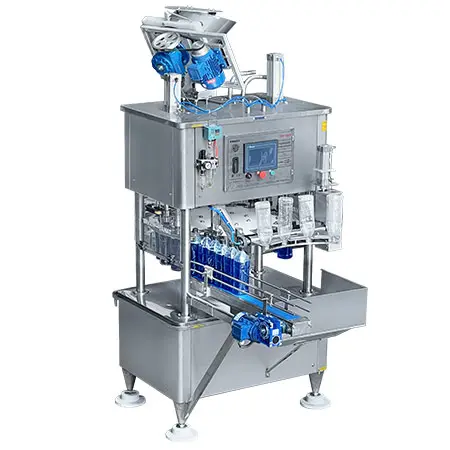
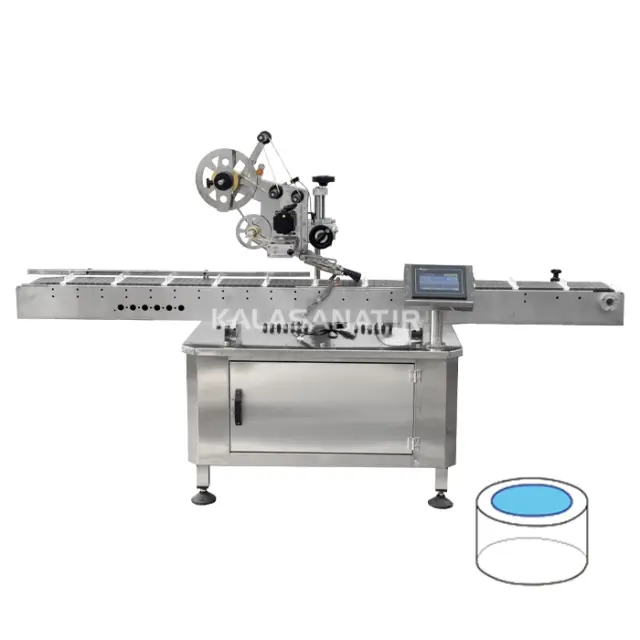
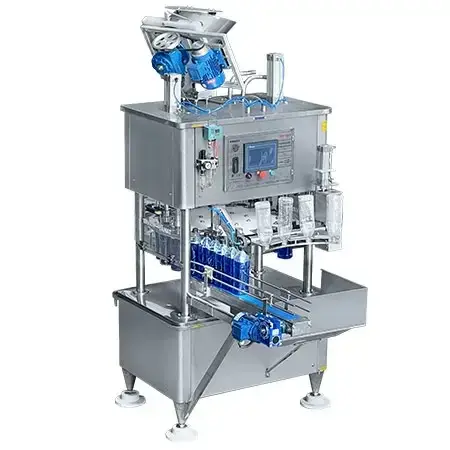
For example, the catalog includes 4-Nozzle Bottle Rinsing, Filling and Capping Triblock — New Type combining bottle rinsing, filling and capping, and Top Flat Labeling Machine for a different station. These are published examples to discuss, not a declaration that every project includes these machines or the same options.
Compare quotations for the same scope
| Item | What to record in the project documents |
|---|---|
| Equipment | Model, configuration, included accessories, format range and drawings. |
| Price and payment | Quoted currency, included and excluded items, price validity and agreed payment milestones. |
| Schedule | Manufacturing, approval, testing and delivery milestones and the dependencies for each. |
| Transport | Named delivery point, packing requirements and the parties responsible for freight, insurance, export and destination customs. |
| Services | Installation, commissioning, training, warranty terms and the scope and availability of spare parts. |
Identify the person or organization responsible for every handover. If an item is excluded, make the alternative arrangement explicit. Confirm shipment and destination documentation requirements with the parties responsible for transport and clearance before finalizing the order.
Agree the test and acceptance plan
Before testing, define the product and packaging samples, proposed settings and measurable acceptance criteria. These can include filled quantity variation, acceptable output, closure results, label alignment and container handling, as relevant to the ordered system.
Record who attends or witnesses the test, what evidence is required and how open points will be resolved. A factory acceptance test can be described as FAT in project documents; it is a project agreement, not an automatic certification. Distinguish factory acceptance from commissioning and acceptance at the destination site.
Prepare the site and the dispatch handover
- Approve the final layout and verify the site utilities and machine access route against the supplied requirements.
- Confirm packing dimensions and weight, lifting and unloading arrangements, and the documents included with the shipment.
- Agree which party arranges each transport and customs step and where responsibility changes.
- Retain the approved specification, commercial documents, test record, operating information and parts list together.
- Use the delivery and commissioning milestones agreed for that project; do not substitute a date from a different order.
Define commissioning and after-sales work
Record the installation and training scope, the people involved and any remote or on-site work that is included. Ask what must be ready before the agreed commissioning activity and how completion will be recorded.
Confirm how to identify and request replacement parts, which documents or machine identifiers are required, and the warranty process described in the contract. A general product page does not establish a destination-country office, a fixed response time or a universal service package.
Send one clear inquiry and keep one agreed record
A useful first message contains the product, container or package samples, output target, destination and requested supply scope. Add a list of decisions that are still open, rather than treating assumptions as agreed terms.
Review how we work and the common project questions, then send your project brief. The quotation and contract are the references for the final technical and commercial agreement.
Frequently asked questions
What are the standard payment and delivery terms?
No standard schedule is set by this guide. Payment milestones, quote validity, manufacturing and delivery dates are agreed in the quotation and contract for the specific project.
Who pays for transport and customs?
The project documents must identify the delivery point and the parties responsible for freight, insurance, export and destination customs. Do not infer these responsibilities from the equipment price alone.
Is factory testing the same as commissioning at my site?
No. Factory testing and site commissioning are separate activities. Agree the conditions, evidence, responsibilities and acceptance criteria for each activity that is included in your project.
Are installation, training and warranty identical for every destination?
No universal scope is promised. Confirm the included services, location, warranty process and spare-parts arrangements in the quotation and contract.